
[HOS Toilet Renovation: A Fresh Look Without a Full Demolition]
Many HOS flats in Hong Kong have considerable age, with outdated bathroom fixtures and aging tiles. The old bathroom wall and floor tiles, after years of use, gradually develop problems such as blackened and moldy grout lines, outdated tile colors, and difficulty cleaning limescale. When planning a bathroom renovation, most people's first thought is traditional demolition and tile replacement, followed by waterproofing and re-tiling, known as a full renovation. However, traditional demolition and wall removal for renovation comes with piercing noise from chiseling tiles, dust flying everywhere, and generates a large amount of waste. The construction period is also often longer. Furthermore, the original structural walls and floors of old HOS flats have aged over the years, and if the re-waterproofing is not done properly, it can easily lead to leaks to the downstairs units, incurring additional repair costs. Therefore, many homeowners tolerate their old bathrooms and are reluctant to start renovation plans. Microcement bathroom renovation, with its non-demolition and non-wall removal approach, has become the perfect choice for renovating old HOS flat bathrooms.
Can microcement really be applied directly over old tiles? As long as the existing wall and floor tile structure is stable and there are no large areas of hollowness or peeling, there's no need to chisel out the old tiles. The entire microcement application process can be carried out directly on the surface of the existing tiles. Without needing to remove walls or undertake large-scale demolition, you can completely refresh the overall visual effect of your bathroom. With seamless walls and floors, the entire bathroom transforms into a minimalist, high-end modern space, achieving a complete renovation effect with zero damage.
Advantages of Using Microcement in Bathrooms
1. No need to demolish tiles or walls, significantly reducing renovation disruption and project costs
Most HOS flat owners prefer not to undertake major construction. In traditional renovations, just the tile removal and disposal of construction waste account for a significant portion of the construction period and budget. The noise from chiseling tiles can also easily disturb upstairs and downstairs neighbors. With microcement renovation, as long as the old tile structure is stable, it can be applied directly over the old tiles, skipping the tile removal process. This not only shortens the overall project time but also significantly reduces dust and noise, and avoids a large amount of garbage and waste. Compared to traditional full renovations, it also saves on costs for tile removal and waste disposal, allowing for more flexible budget allocation. Furthermore, microcement pricing is highly transparent, allowing homeowners to better control their budget.
2. Seamless walls and floors, solving the long-standing problem of moldy and dirty grout lines
Traditional tiled bathrooms inevitably have countless grout lines. Hong Kong's climate is humid, and bathrooms are consistently exposed to high humidity and moisture, making grout lines an ideal breeding ground for mold and bacteria. Even with diligent and regular cleaning, grout lines will blacken again after a period, a recurring and difficult problem for many households. Microcement is a continuous surface finish, allowing for seamless integration of walls, floors, and even ceilings. With virtually no joints or grout lines, it reduces the spaces where mold can thrive, significantly lowering the chance of mold growth in the bathroom. After a professional sealing treatment, limescale and soap scum will only remain on the surface, and daily cleaning only requires a simple wipe with a damp cloth, eliminating the need to spend a lot of time scrubbing individual grout lines. Daily maintenance is simple and time-saving.
3. Excellent waterproofing, moisture resistance, and anti-slip properties, suitable for Hong Kong's humid bathroom environment
Microcement is not just ordinary cement; it is a complete composite material system consisting of base layers, middle layers, top layers, and a protective sealant. Once the entire process is completed, the dense protective layer can withstand the moisture generated by daily showers, meeting the bathroom environment's requirements for moisture and waterproofing. Properly applied microcement, as a complete finish, can effectively prevent moisture penetration, upgrading the waterproofing of old bathrooms. However, it is crucial to clarify that microcement is a surface system and not structural waterproofing. If the unit itself already has structural leaks, the source of the leak must be addressed first before microcement finishing can be applied.
Microcement is a sophisticated system designed to resist moisture and provide a durable surface. It's important to remember that it acts as a barrier against surface water, but it won't resolve underlying structural issues. If your unit already experiences leaks from its structural components, it's essential to address those problems with a qualified professional before applying microcement. Once the structural integrity is restored, microcement can then be applied to create a beautiful and moisture-resistant finish for your bathroom.
4. Visually expands space, with flexible color and texture options
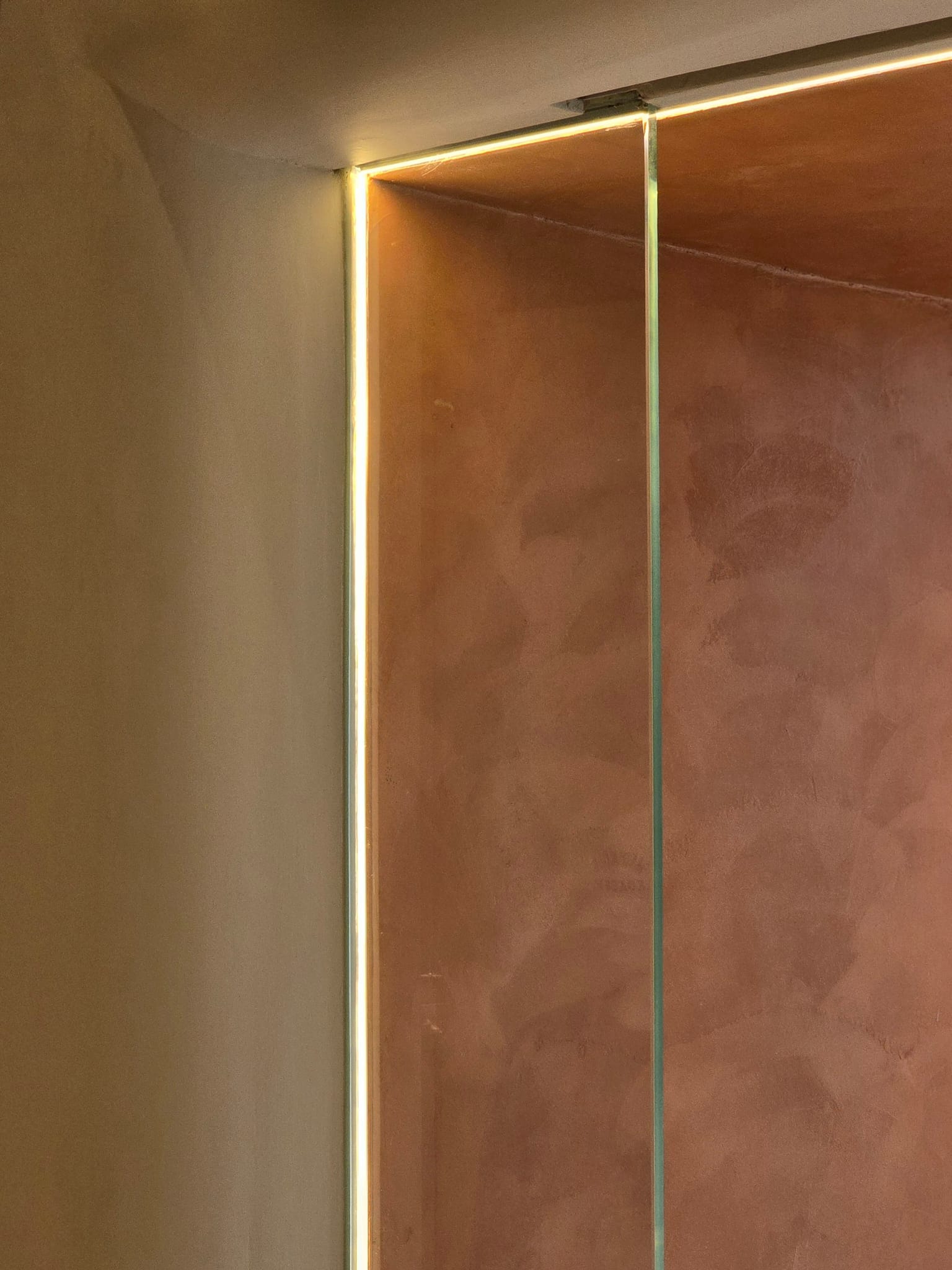
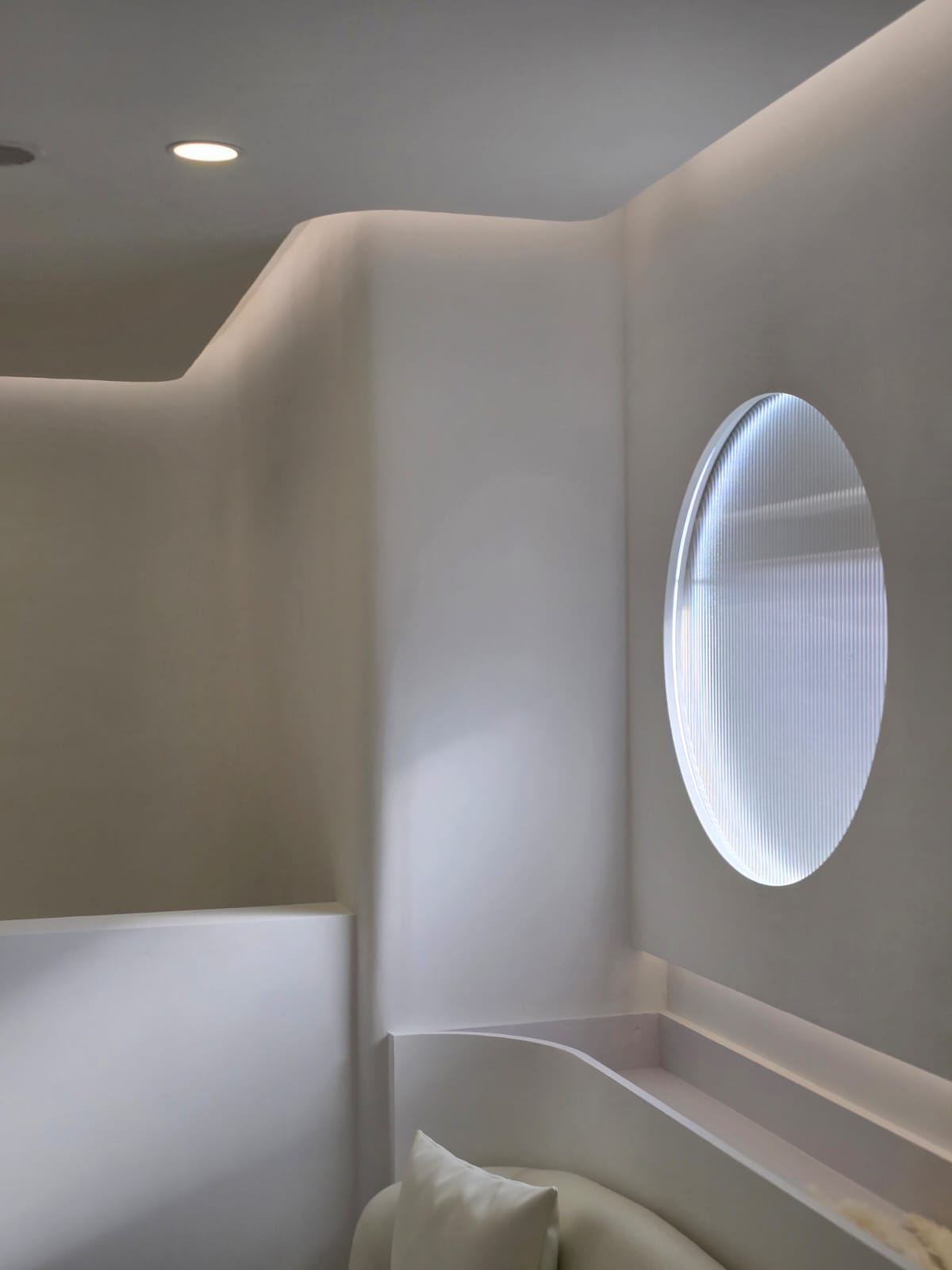
Bathrooms in Hong Kong's HOS flats are generally not spacious. Tile divisions can make the space appear more fragmented and cramped. Microcement can be customized in various matte texture colors, including popular cream, light gray, and warm coffee tones. By using the same color for walls and floors with seamless transitions, it can visually expand the space, making the bathroom appear more open and comfortable.
The delicate and soft matte texture also avoids the strong reflections produced by glossy tiles, offering a subtle and sophisticated feel. Whether your home has a minimalist modern, creamy, or light industrial style, a microcement bathroom can perfectly complement the overall home decor. Besides bathrooms, microcement can also extend to living rooms and corridors, achieving a consistent visual effect for walls and floors throughout the entire house.
Microcement offers a versatile and elegant solution for interior design, allowing for a cohesive look across different areas of your home. Its ability to create seamless surfaces and a wide range of aesthetic options makes it a popular choice for those seeking both style and functionality.
In addition to bathrooms, microcement can be applied to various surfaces in your home, including floors, walls, and even furniture. Its seamless finish creates a sense of unity and spaciousness, making it ideal for open-plan living areas. With its durability and customizable appearance, microcement provides a modern and sophisticated aesthetic that can enhance any interior design style.
5. High hardness and wear resistance, suitable for home use
After microcement is completed, its surface hardness increases, making it resistant to foot traffic and daily friction. In home bathrooms, with daily showering and frequent movement, it is not prone to scratches or wear under normal use. Compared to old tiles, there's no need to worry about chipped edges or cracked tiles that appear after prolonged use, demonstrating excellent durability. Microcement, with proper daily maintenance, can maintain its beautiful condition for a long time. However, the microcement application process is extremely rigorous, and sloppy workmanship directly affects the lifespan of the finished product. Simply applying two layers and calling it a completed microcement project, especially in a humid space like a bathroom, will lead to problems such as peeling, blistering, leakage, and discoloration within a year.
Microcement in bathrooms, especially the solution of applying it directly over old tiles, requires meticulous attention to every step. The entire artistic process is highly complex.
The Rigorous Process of Microcement Application

Microcement finished thickness <3mm
The first step involves base layer inspection and treatment of the old tile surface. Even if the tiles appear intact to the naked eye, each tile must be checked for hollowness. Afterwards, the surface of the old tiles needs to be ground to roughen it, and any surface limescale, oil stains, or old grout residue must be removed. If the surface is left smooth and not ground, the microcement material will not firmly adhere to the base, and there is a high chance of flaking or peeling later. The base layer treatment is the foundation of the entire project; if this step is not done well, even the best materials applied afterwards will be meaningless.
The second step involves strengthening the base plaster and filling gaps. After grinding is complete, a specialized primer must be used for deep penetration and reinforcement, sealing the entire surface of the old tiles. In areas prone to stress cracks such as grout lines, corners, and bathtub edges, a specialized anti-crack fiberglass mesh needs to be embedded for reinforcement. Bathroom corners and wall-to-floor junctions are critical areas most susceptible to cracks, so the anti-crack mesh procedure must not be overlooked.
The third step involves applying thin layers of microcement base material. It should not be applied thickly all at once, as thick application can lead to uneven drying speeds and subsequent shrinkage cracks. After each layer is applied, the material must be allowed to dry completely before sanding and applying the next layer. Drying time is affected by humidity and temperature; even if the drying cycle is extended, a new layer must never be forced on to meet deadlines.
The fourth step is the refinement of the top layer of microcement. Using fine microcement, a delicate and even texture is created, while also correcting minor imperfections from previous steps. The top layer also needs to be applied in multiple thin coats, followed by meticulous sanding after drying, to achieve a uniform and smooth texture for the entire wall and floor.
The fifth step is waterproofing and sealing, a crucial step for bathrooms. The waterproofing capability of microcement primarily comes from the protective sealant. For bathroom environments, a specialized two-component polyurethane sealant must be used, applied in multiple crisscross coats. Key areas such as corners, wall-to-floor junctions, and bathtub seams will receive extra coats. If the protective layer is insufficient, moisture can penetrate, leading to bubbling and discoloration. After the entire sealing process is complete, sufficient curing time must be allowed. The surface cannot be used immediately; it must wait until the protective layer is fully cured before it can be put into use.
Microcement is by no means as simple as just painting a layer of cement. From base inspection, grinding and reinforcement, anti-crack mesh reinforcement, multi-layer plastering, to multi-layer sealing and curing, every step is interconnected. Any mistake or omission in any step will lead to various maintenance problems later on. Especially when applying microcement over old tiles, the difficulty is higher, and it heavily relies on the师傅's experience with materials, humidity, and drying times. Simply choosing an inexperienced师傅 who is unfamiliar with microcement techniques just because of a lower price will ultimately lead to problems, and the repair costs will be even more expensive than the original project. Choosing a team with real completed cases and familiarity with the construction environment in Hong Kong's HOS flats is the most important factor in ensuring project quality.
Design House HK|Professional Microcement Bathroom and Full House Project Services


If you own an HOS flat or a private residential unit and wish to renovate your old bathroom without extensive demolition, hoping to create a seamless and minimalist bathroom space with microcement, Design House HK can provide you with comprehensive professional microcement services. We have numerous real-life examples of completed microcement projects, offering a one-stop service from initial on-site measurement and assessment of base conditions, style and color recommendations, to the entire rigorous and standardized construction process.
In addition to microcement renovation for bathrooms, Design House HK also undertakes full-house microcement projects, from living rooms, corridors, and bedroom walls and floors, to kitchen and bathroom spaces, achieving a seamless and unified visual effect throughout the entire house. Whether you only wish to renovate a single bathroom or plan a full-house renovation, we can conduct on-site inspections and provide detailed proposals and quotations based on your unit's current condition, budget, and preferred style. Welcome to contact Design House HK to schedule an on-site consultation and plan a suitable microcement renovation solution for your old bathroom or entire house.