
What is microcement? 6 major advantages make it a new favorite decoration material]
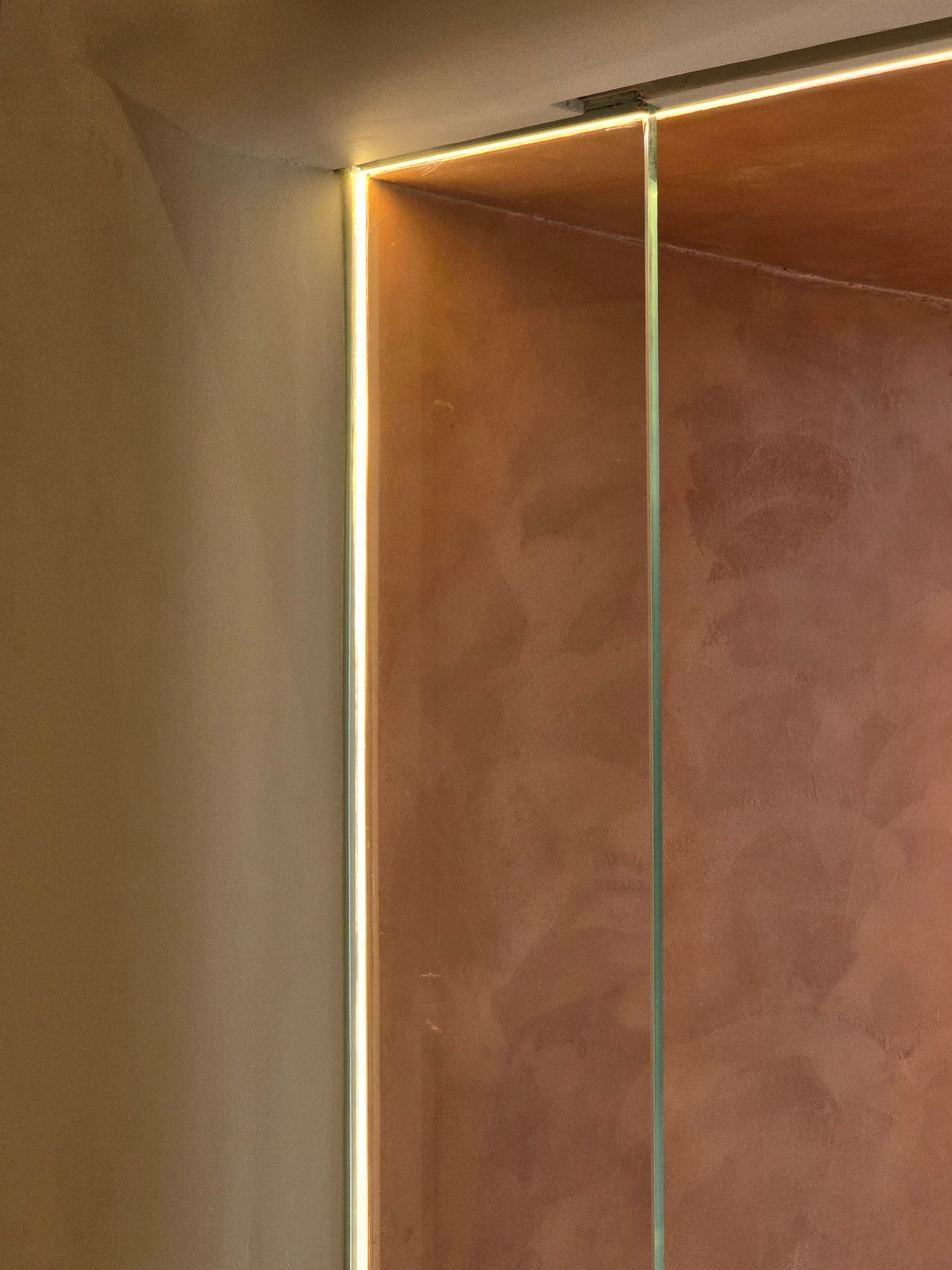
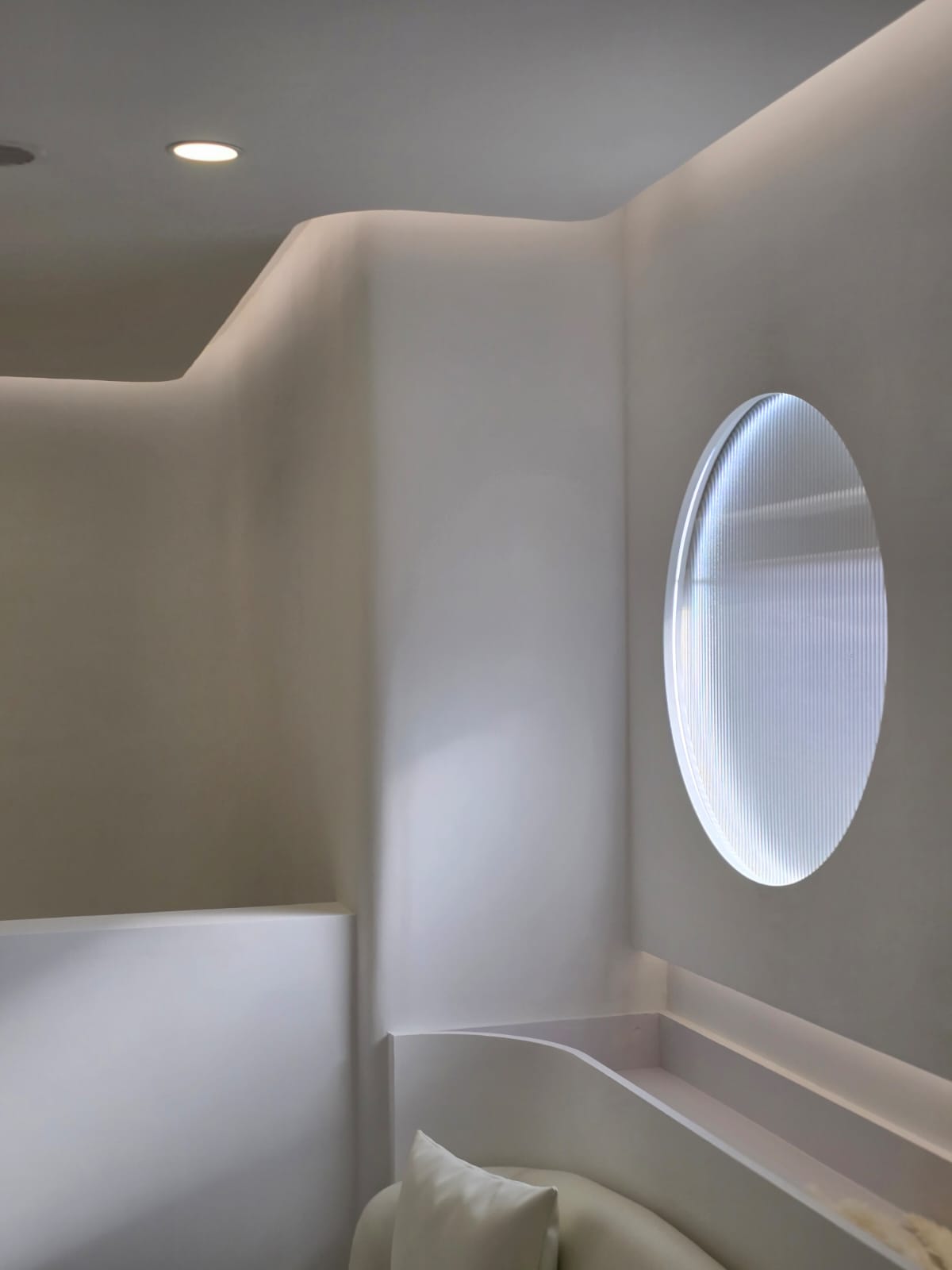
In recent years, with advancements in renovation technology and the dual pursuit of aesthetics and functionality by consumers, Microcement has gradually become a popular material in the interior design industry. Whether for residential, commercial, or public spaces, the application of microcement is becoming increasingly widespread. Its unique texture, minimalist style, and exceptional performance have made it a new favorite among designers and property owners. Standing out among numerous renovation materials requires a balance of substance and style; simply put, microcement is a functional renovation material. Whether your interior design style is "cream style" or Wabi-sabi, microcement can be applied to create a seamless, harmonious aesthetic.

Six Major Advantages of Microcement
The following introduction features Fufini, a partner brand of Design House HK:
1. Waterproof and Moisture-proof: Creating a Seamless, Perfect Barrier
Traditional cement or tiled floors are prone to leaks, cracks, or mold growth in damp environments over time, especially in high-humidity areas like bathrooms and kitchens. Due to its seamless nature, microcement forms a continuous, dense protective film that effectively prevents water penetration and enhances waterproofing and moisture resistance.
Microcement Waterproof Performance - Test Video
Microcement is primarily composed of cement, resins, and minerals. Treated with specialized processes, its waterproof performance surpasses that of ordinary cement and tiles. Even on bathroom floors or walls in constant contact with water, microcement remains stable, resisting deformation and mold growth caused by moisture.
Seamless Design, Eliminating Leaks
Traditional tiles require grout lines, which are prone to darkening and peeling over time, impacting aesthetics and leading to water leakage. Microcement is applied as a single, continuous layer without seams, fundamentally resolving leakage issues—a perfect fit for modern, minimalist bathroom spaces.


2. High Hardness and Crack Resistance: Durable and Long-lasting
Many mistakenly believe that microcement is prone to cracking due to its thin application (only 1-3mm), but in reality, high-quality microcement possesses extreme compressive and crack-resistant properties, often stronger than traditional cement.
High Compressive Strength
The compressive strength of microcement can reach 20 MPA (approx. 203 kg / 447 lbs), far exceeding that of ordinary cement. It can withstand the heavy-duty usage of daily residential and commercial spaces, such as moving furniture or heavy impacts, without cracking easily.
Microcement Scratch and Pressure Test - Click Here
Elastic Resin Enhances Toughness
The polymer resins added to microcement provide a degree of elasticity, allowing it to adapt to minor building settlements or vibrations, preventing cracks caused by structural shifts. This makes it particularly suitable for the renovation of older buildings.
3. Resistant to Oil and Stains
The surface of microcement is dense and smooth, preventing oil and liquids from penetrating. It can be restored to a clean state simply by wiping with a damp cloth, making it ideal for kitchens, dining areas, and other stain-prone zones.
Stain Resistant and Washable: Easy to Clean and Maintain, Lasting Like New
Traditional cement floors easily absorb stains and are difficult to clean. Microcement surfaces are sealed, providing excellent stain resistance and making daily maintenance extremely convenient—usually requiring nothing more than water and a cloth.

4. No Need to Demolish Old Bathrooms: Cost-effective Renovation, Time and Effort Saving
Traditional bathroom renovations require removing existing tiles, which is not only a major project but also generates significant construction waste. The ability of microcement to be applied directly over existing surfaces makes it the premier choice for renovations.
Direct Application over Old Tiles and Cement
Microcement can adhere perfectly to existing tile, cement, or marble surfaces without the need to remove the original structure, significantly reducing renovation costs and time.
Suitable for Various Substrates
Whether for walls, floors, stairs, or shower bases and washbasins, microcement can cover them seamlessly, providing a fresh visual experience. It is particularly well-suited for modern design styles such as minimalist, industrial, and Wabi-sabi.


5. Environmentally Friendly and Safe: Zero Formaldehyde, Worry-free Health
Modern individuals increasingly prioritize the health and sustainability of their home environments. Due to its non-toxic, formaldehyde-free properties, microcement is a representative material for green renovations.
Low VOC Emissions, Meeting Environmental Standards
Microcement is primarily composed of inorganic mineral materials, containing no formaldehyde, benzene, or other harmful substances. The application process is nearly odorless, allowing for immediate occupancy after completion—ideal for homes, hospitals, schools, and other spaces requiring high air quality.
The Fufini microcement brand has obtained the French A+ Environmental Certification

6. Ultra-thin Profile (No more than 3mm): Saves Space, Lightweight Design
Traditional cement mortar layers are typically 5-10cm thick, whereas microcement requires only 1-3mm, making it perfect for small apartments or spaces with limited ceiling height.
Space-saving, Enhancing Interior Height
For low-ceilinged apartments or older buildings, the ultra-thin nature of microcement avoids raising floor levels and compressing interior space, making rooms feel more spacious.
Suitable for Curved and Irregular Structures
Due to its fluidity and ultra-thin coating, microcement can perfectly conform to curved walls, columns, and other special structures, achieving design effects difficult to attain with traditional materials.

Whether for residential renovations, commercial space design, or unique structural requirements, microcement offers a solution that combines aesthetics and functionality. With ongoing technological progress, the range of applications for microcement will expand, inevitably becoming a mainstream choice in the future renovation market. For consumers pursuing minimalism, durability, and sustainability, microcement is undoubtedly one of the most ideal decorative materials. Its emergence has not only transformed the tedious processes of traditional renovation but also introduced endless possibilities to modern space design. If you are interested in microcement engineering and interior design services, please feel free to inquire with our customer service representatives and schedule a consultation with an interior designer.