
[The Most Anticipated Home Interior Design Styles for 2027]
The most anticipated home interior design styles in 2027 will no longer be about pursuing luxurious awe-inspiring spectacle. Instead, comfort, material texture, spatial flexibility, and sustainable durability will become the primary demands of homeowners. Especially in Hong Kong, where small apartments, public housing, and HOS flats are common, most homeowners seek timelessness and practicality while retaining personal style, refusing to blindly follow short-term trends. The popularity of cool-toned minimalism, rich "creamy" styles, and intricate bohemian styles, which were very popular in previous years, is gradually fading. They are being replaced by several design approaches that combine aesthetics with living value. Let's now explore the five major mainstream home styles for 2027, analyzing their respective characteristics and showcasing their unique aesthetic appeal.
Soft Minimalism: Escaping the Coldness of Minimalism

Traditional minimalism emphasizes "less is more," extensively using cool white walls, cool gray tones, and black metal accents to create a clean and crisp visual. However, many people find the space too cold and lacking warmth after moving in. The popular Soft Minimalism in 2027 does not overturn the minimalist framework but rather injects warmth and tactile qualities into traditional minimalist design, achieving simplicity without coldness, and white space without emptiness.
In the past, many homeowners pursued hard-edged minimalism, only to find after completion that while the aesthetic was appealing, the living experience lacked a sense of belonging. Soft minimalism retains the benefits of minimalism, including ease of maintenance and an open visual feel, but the added warmth compensates for the cold and distant drawbacks of traditional minimalism. In today's fast-paced life, people hope to relax when they return home. Warm-toned textured materials can effectively alleviate mental stress, and the flexibility of subsequent soft furnishing adjustments perfectly aligns with the mindset of Hong Kong homeowners who prefer not to over-finalize their renovations.
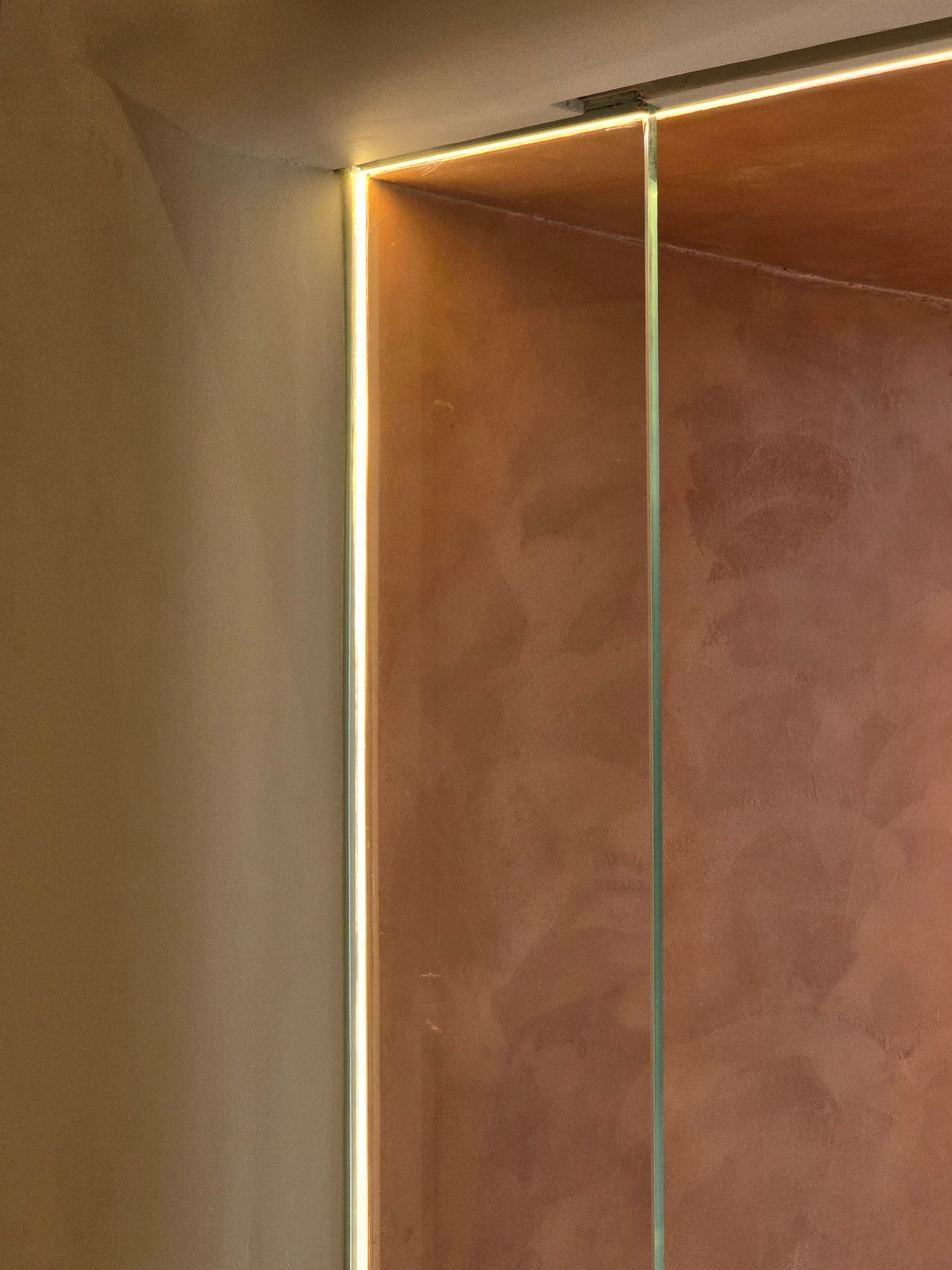
In terms of color application, Soft Minimalism abandons high-saturation cool grays and whites. Instead, it uses low-saturation warm colors such as creamy apricot, terracotta, and light tea brown as the base for large areas. Walls are no longer just smooth emulsion paint but incorporate materials with delicate textures like artistic paint and microcement. Furniture lines remain simple and rounded, reducing sharp right angles. Matte solid wood, linen fabrics, and matte brass accessories are chosen, replacing the commonly seen glossy black iron and polished marble.
Soft minimalism is highly suitable for Hong Kong properties. The hard furnishings are kept simple, avoiding overly complex suspended ceilings and feature walls, leaving style expression to soft furnishings. If you wish to change the atmosphere later, it can be done by simply replacing sofas, curtains, and carpets, at a low cost. Soft minimalism does not mean "bare walls"; the key is that storage is hidden within the walls, and quality is outwardly expressed. If storage is insufficient, and clutter is exposed, it will only appear messy and crude, not soft and sophisticated.
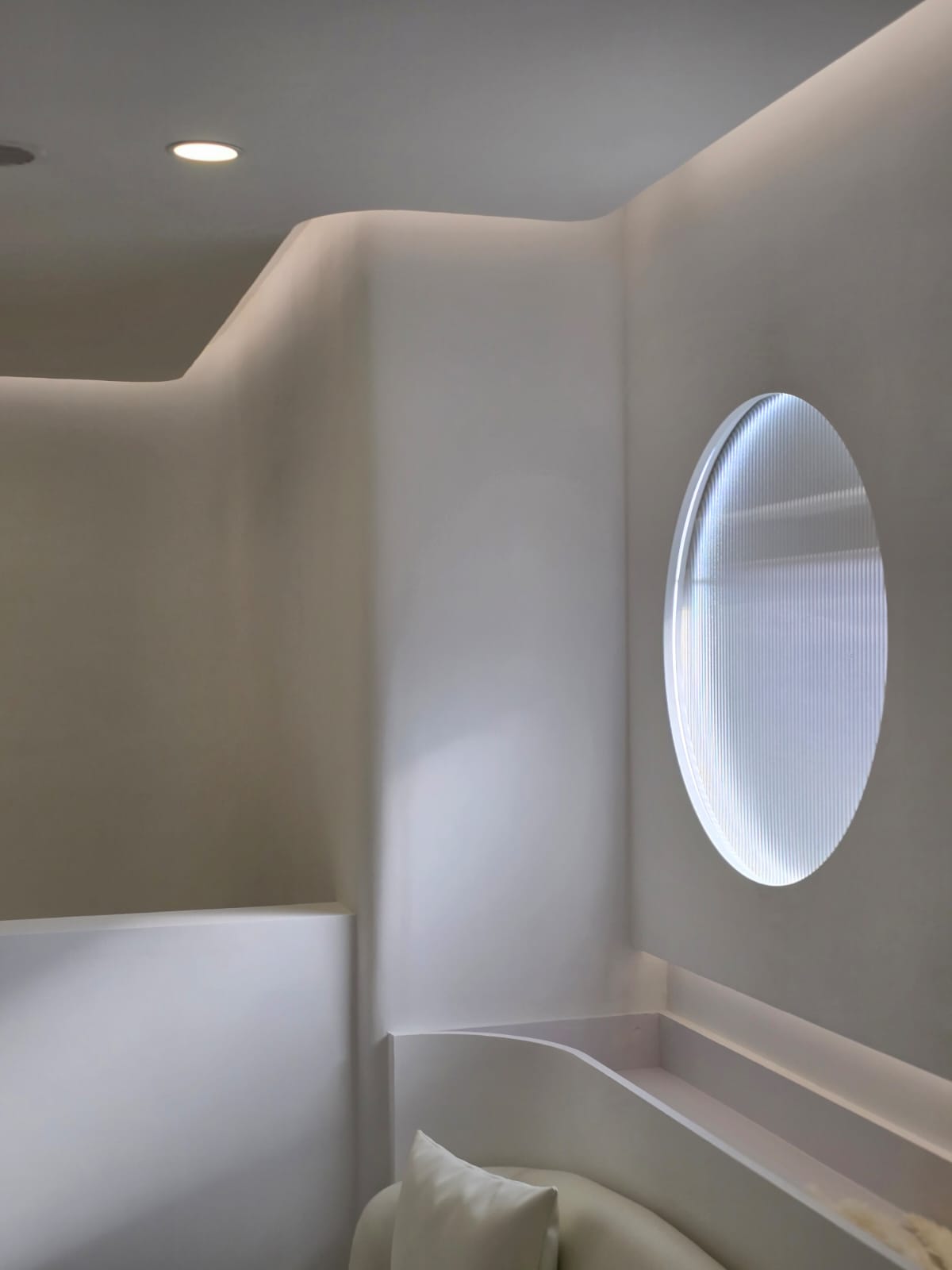
For lighting, a 3000-3500K accent-free lighting system with multi-layered indirect light is recommended, avoiding harsh shadows from a single overhead light.
Song Dynasty Minimalism (Modern Song Style): The Dark Horse of Eastern Aesthetics, Emphasizing Atmosphere over Carving

Oriental style is no longer limited to traditional new Chinese red sandalwood, carvings, and antique window grilles. Song Dynasty Minimalism has become the representative style for Eastern homes in 2027. Its core is to restore the essence of Song Dynasty aesthetics: "minimal ornamentation, emphasis on atmosphere, and valuable blank space," without extensively stacking antique elements. The public's perception of Eastern homes has moved away from extravagant carvings and heavy red sandalwood furniture. Modern people yearn for a subtle, peaceful living environment. Song style aesthetics advocate "less is more," emphasizing light and shadow and materials, perfectly aligning with urban dwellers' spiritual need to escape the hustle and bustle. Furthermore, Song Dynasty Minimalism does not require large spaces; even small HOS flats can embody Oriental charm, breaking the stereotype that "Oriental style is only suitable for large houses." Therefore, it is favored by a large number of intellectuals and white-collar families.
Walls mostly use moon white, smoky gray, and light tea brown, prioritizing matte solid wood, matte stone, rattan, and cotton and linen textiles. Spaces skillfully use sheer curtains and wooden grilles for virtual and real divisions, minimizing solid walls to enhance spatial transparency. Furniture designs are simple and restrained, with slender and soft lines. Only two or three pieces of furniture with an Oriental feel are used as accents, replacing the "drama" of filling the entire house with antique摆件. Lighting is primarily soft, diffused light, creating a serene and relaxing home atmosphere.
Song Dynasty Minimalism can also be implemented in small units. In fact, by adhering to blank space and reducing complex forms, it can make the unit appear calm and open. It is a misconception that Oriental styles oppress small spaces. On the contrary, excessive antique window grilles and complex wood carvings, with too many elements, are the culprits that make small units feel crowded and oppressive. The soul of Song韵 is about materials and light and shadow, not about displaying antiques. Pairing with a few broad-leaf green plants, such as Monstera or Lucky Bamboo, would further enhance the natural ambiance.
Organic Modern: Bringing Natural Textures Indoors

"Biophilic Design" continues to rise, evolving into the widely popular Organic Modern style, which blurs the boundaries between indoors and nature. It extensively incorporates natural materials, flowing curves, and raw textures to create an earthy and healing home environment. Due to prolonged urban living, most people spend extremely long hours indoors daily, lacking opportunities to connect with nature. Organic Modern style brings elements of nature into the home, using natural wood, stone, and greenery to regulate psychological well-being and achieve a healing effect at home. At the same time, society is beginning to embrace the aesthetic of imperfection, no longer fixated on flawless materials, accepting the natural textures of stone and wood. Coupled with the heightened emphasis on physical and mental health in the post-pandemic era, this style, which emphasizes naturalness and earthiness, has rapidly emerged.
The color palette is derived from the earth, such as soil and terracotta, moss green, and sandy off-white, without pursuing strong contrasts. For floors and cabinets, solid wood, travertine, lime plaster, and terrazzo are prioritized, embracing the natural textures of the materials themselves, accepting slight imperfections, and rejecting uniformly flawless industrial surfaces. Furniture often features curved and flowing shapes; curved sofas, rounded coffee tables, and rattan dining chairs are common items. Therefore, it is important to utilize natural light, maximizing window illumination and complementing it with broad-leaf indoor plants to enhance the natural atmosphere.
Organic Modern is suitable for families seeking physical and mental relaxation, applicable to both large and small-to-medium HOS flats. For Hong Kong's humid climate, it's important to ensure proper moisture resistance for wooden furniture and select stone materials suitable for local weather, avoiding those prone to dampness and mold. Organic Modern differs from rustic country style; it does not pile up floral fabrics or emphasize intricate patterns. Its essence lies in a modern, clean hard furnishing base complemented by natural textured materials.
Light Vintage Modern: Retro Accents, Simple and Timeless

The traditional heavy vintage style that was once popular, relying heavily on caramel dark tones, rich dark greens, and complete sets of antique wooden furniture, often resulted in a visually heavy and saturated look. When applied to small units like Hong Kong's public housing and HOS flats, it easily caused spatial compression, dim visuals, and the appearance of smaller spaces, leading to a gradual decline in its popularity in recent years. Entering 2027, the Light Vintage Modern style advocates a design philosophy of "modern as the skeleton, retro as the embellishment." Hard furnishings maintain a clean and simple modern base, avoiding heavy forms and exaggerated color schemes. Instead, a gentle touch of 70s-80s European retro atmosphere is infused through a few pieces of furniture, lighting, and soft furnishing details, creating a high-quality home that is retro but not old-fashioned, warm but not oppressive.
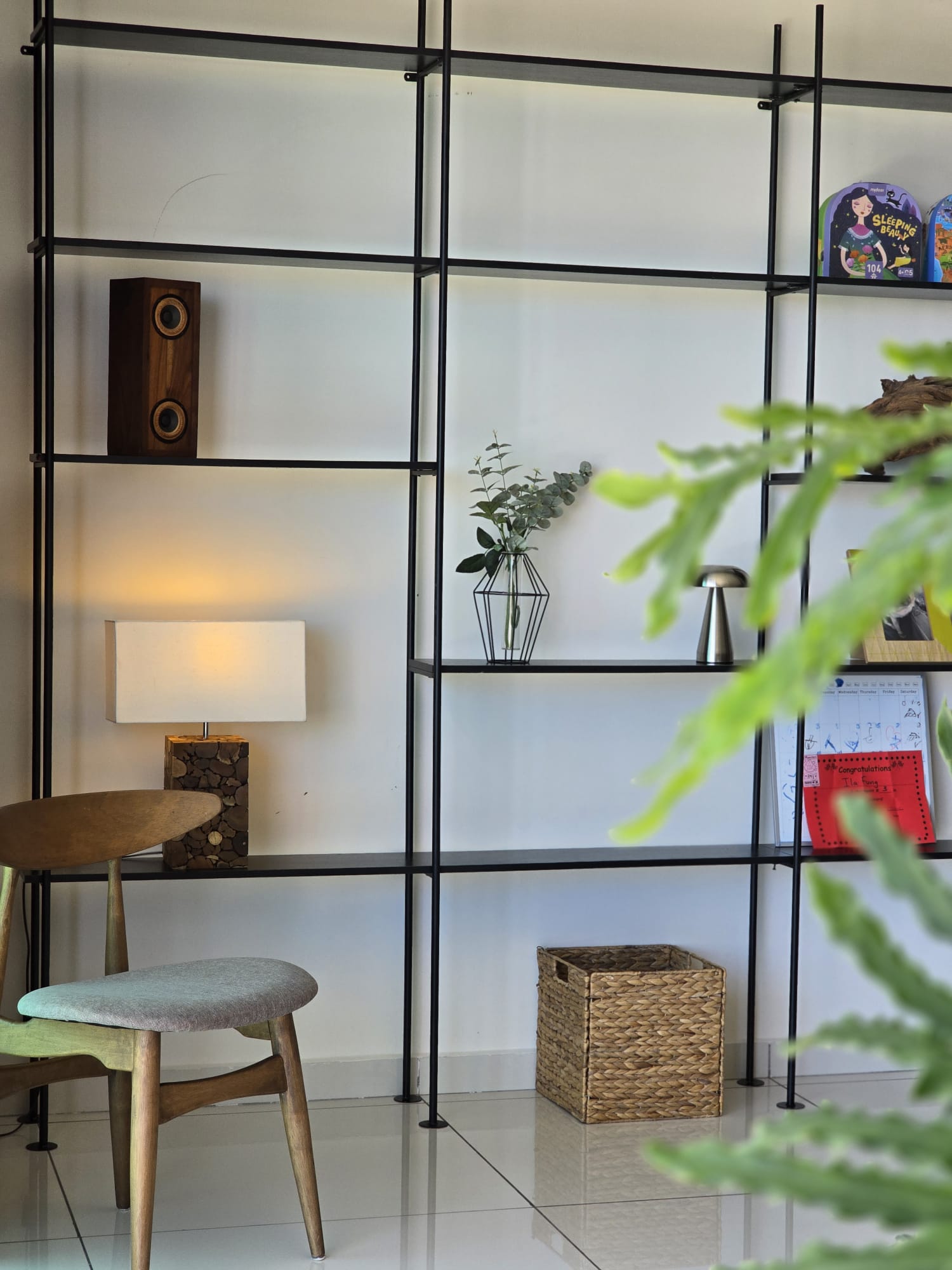
Light Vintage Modern abandons high-saturation dark walls, using light off-white and extremely light gray as base colors throughout the house to maintain a bright and open space, preserving maximum visual openness in small units. Low-saturation walnut furniture, vintage folding pendant lights, matte brass hardware, and curved-line items are the core elements of Light Vintage. Low-saturation terracotta, Morandi dark green, and milky coffee colors are used as subtle accents, gently introducing retro layers through carpets, art prints, throw pillows, and fabric soft furnishings, avoiding the overwhelming feel of large areas of heavy colors.
Light Vintage Modern is the most suitable retro style for small units in Hong Kong. It can be perfectly implemented in small HOS flats, standard public housing, and small private apartments. However, it's important to avoid over-stacking dark wooden furniture. Small units in Hong Kong have limited natural light, and too much dark, heavy vintage furniture will directly compress visual space, making the home appear dim and crowded.
Japanese Style: Stillness in Motion, Creating a High-End Home with White Space and Wood Tones

Japanese style originates from traditional Japanese residential aesthetics, emphasizing nature, simplicity, tranquility, blank space, and the essence of materials. It avoids excessive decoration, complex forms, and high-saturation colors to grab attention. Modern Japanese style does not mean completely replicating traditional "Washi houses," but rather integrating tatami mats, paper screens, wooden grilles, low-profile furniture, storage systems, and soft lighting into everyday living spaces, creating a calm, quiet, and comfortable living atmosphere. In Hong Kong, Japanese style has become increasingly popular in recent years, especially for small units, because its minimalist layout, efficient storage, and natural materials can make small spaces appear more open, tidy, and textured.
In units designed in Japanese style, walls, floors, and ceilings retain appropriate blank spaces to allow for visual breathing room. Blank space does not mean "no decoration," but rather creating a stronger sense of quality with fewer elements. Hidden storage is one of the core principles of Japanese style; clutter should be placed inside cabinets as much as possible, rather than left exposed. Common practices include full-wall cabinets, raised platform storage, hidden entrance cabinets, tall kitchen cabinets, and integrated wardrobe designs. The color palette tends to be restrained, with common colors including off-white, light wood, gray-beige, flax gray, light tea brown, and bamboo green. High-saturation reds, blues, greens, and oranges are rarely used to avoid disrupting the sense of tranquility.
Japanese style is not simply "Japanese decor," but rather a creation of a quiet, comfortable, and timeless home space using natural materials, minimalist layouts, the aesthetic of blank space, and hidden storage. For small units in Hong Kong, it is a very practical design direction that can enhance the quality of the space and address issues such as storage, clutter, and visual compression.
Design House HK How does it help homeowners choose a suitable style?
Many homeowners start renovating by frantically collecting style images, only to find that while the pictures look good, they are completely unsuitable for their own unit. Before choosing a style, it's recommended to ask yourself three questions: first, the number of occupants and their real daily living habits; second, the inherent conditions of the unit, such as area, natural light, and humidity levels; and third, whether family circumstances will change in the next 3-5 years, and if the space needs to be flexible for alteration. The interior designers at Design House HK are experienced and will carefully listen to homeowners' preferences and family members' living habits during unit planning, then combine these with the actual environment of the unit, balancing aesthetics, budget, and practical needs, to select a design direction that truly suits your family. You are welcome to schedule an appointment with our designers anytime to create your ideal home.
Click here to book an immediate WhatsApp appointment with a designer